Table of contents
Storm Harry is making headlines—and not just for rain. From now until January 20, weather forecasters are warning of heavy snow, strong winds, and driving rain across much of the UK. Whether you’re in the hills of Scotland or the lowlands of Yorkshire, understanding what’s coming and how to prepare could make all the difference.
What’s Behind Storm Harry?
Storm Harry is sparked by a low-pressure system sweeping across the Atlantic, pushing Arctic air into the UK. This mix of cold and wet is a perfect recipe for troublesome snow, especially in higher elevations.
The UK Met Office has issued multiple warnings, and drivers, travelers, and homeowners are being urged to take caution seriously. This isn’t just cold weather—it’s the kind that can cause everyday life to grind to a halt.
Areas Most Affected
Not everyone in the UK will see the same kind of impact. Here’s a quick breakdown of where the most severe weather is expected until January 20:
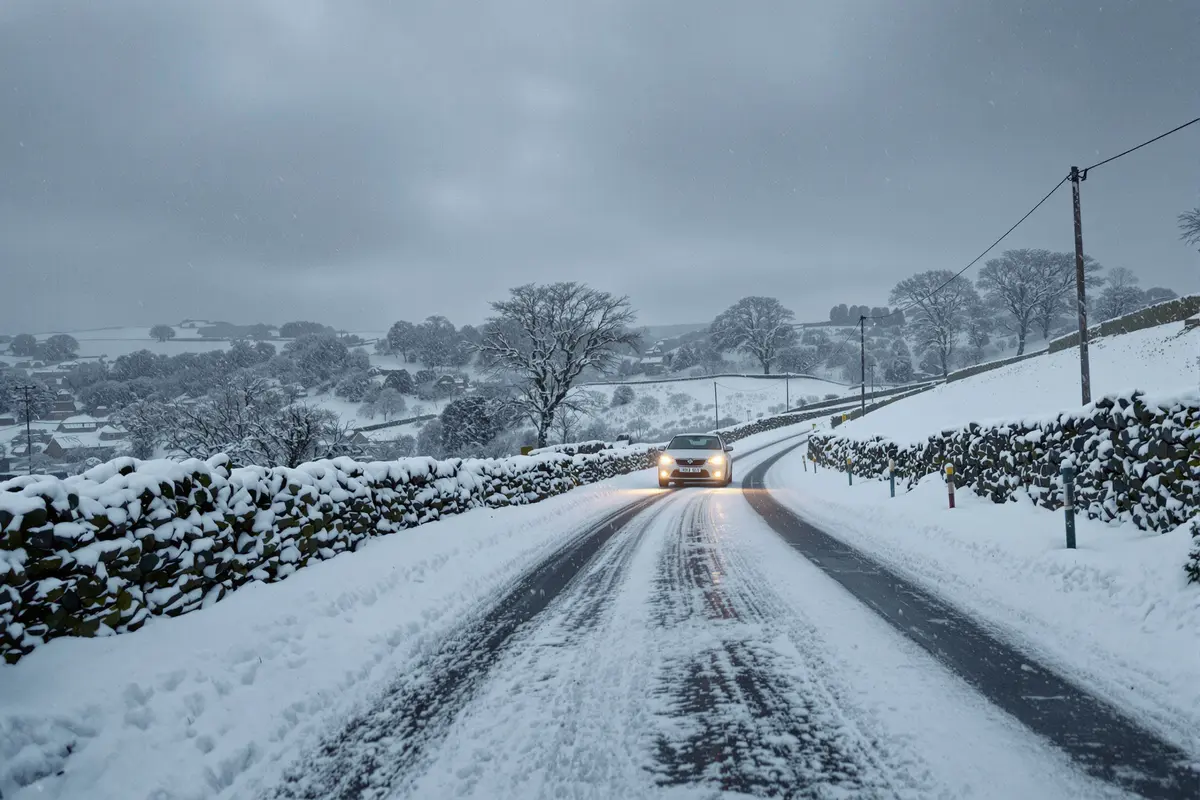
- Scotland: Heavy snow is forecast in the Highlands, Grampians, and parts of central and eastern Scotland. Snowfall could reach up to 20 centimeters (about 8 inches) in higher areas.
- Northern England: Areas like the Pennines and Lake District are facing blizzard-like conditions at times, especially in the mornings and evenings.
- Wales: Expect rain to persist throughout the period, with chances of sleet or snow in upland regions like Snowdonia.
- Southwest England: Heavy rain and gusty winds could lead to flood alerts, particularly in coastal and low-lying areas.
- Midlands and Southeast: Though snow is unlikely here, there’s no escaping the endless rainfall. Localized flooding and slippery roads are potential hazards.
What the Warnings Mean
The Met Office has issued Yellow and Amber weather warnings across multiple regions. These aren’t just color codes—they’re signals of real risk:
- Yellow: Be aware. Conditions may delay commutes, disrupt travel, or lead to minor power cuts.
- Amber: Be prepared. These indicate a higher likelihood of travel cancellations, isolation in rural areas, and potential power outages.
Some forecasts even hint at wind gusts exceeding 60 mph (96 km/h) in coastal zones, strong enough to topple trees and damage property.
Should You Expect School Closures?
Some local councils have already mentioned the possibility of school closures or delayed openings in snow-prone areas. It’s best to check your council’s website or school communications each morning.
Travel Disruptions to Expect
Train services in northern England and Scotland could face delays or cancellations due to snow-covered tracks. Roads like the A9 in Scotland and M62 across the Pennines may also be affected by ice and visibility issues.
A few key services bracing for disruption include:
- ScotRail and TransPennine Express
- Stagecoach bus services in rural regions
- UK’s National Highways warning of challenging driving conditions
How to Stay Safe and Prepared
This storm isn’t just rough weather—it’s a genuine safety concern for many. Here’s what you can do before it hits your doorstep:
- Check forecasts daily using reliable sources like the Met Office or BBC Weather.
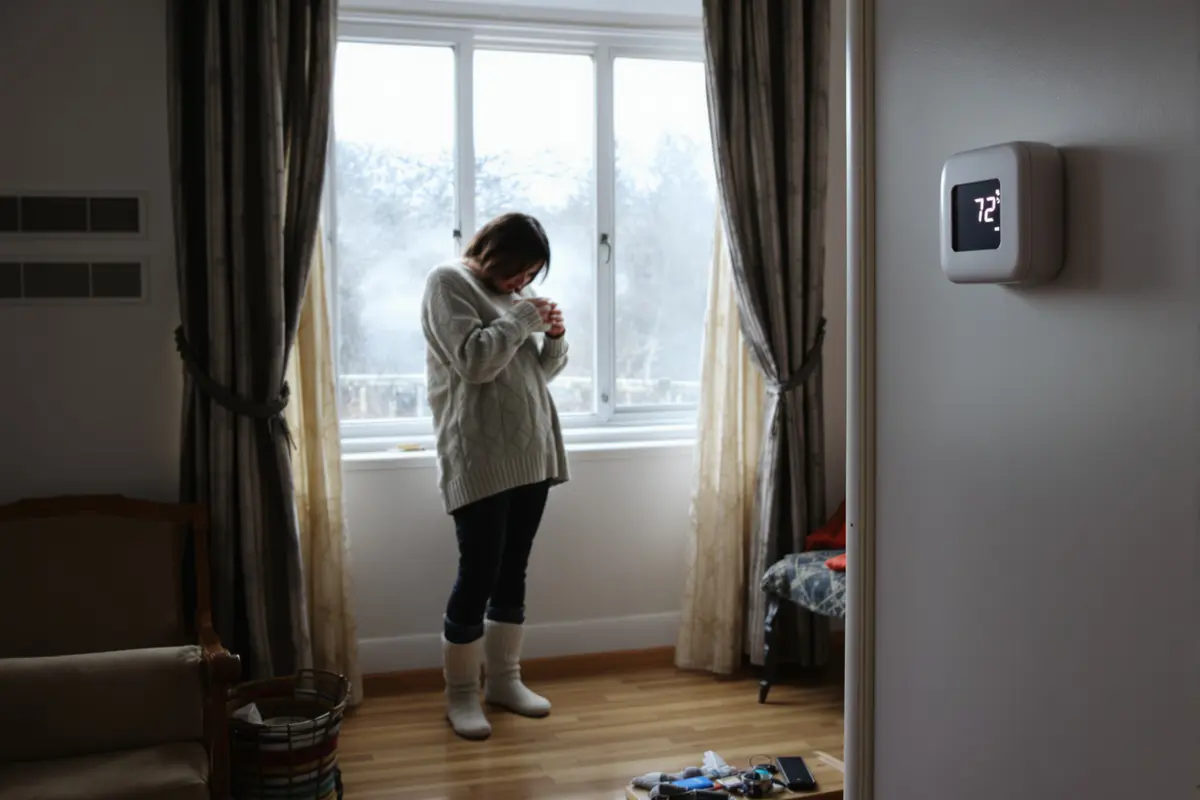
- Keep emergency supplies: batteries, torches, extra blankets, and non-perishable food items.
- Charge mobile phones ahead of time in case of power outages.
- Avoid unnecessary travel, especially in snow-affected zones.
- Leave faucets slightly open during freezing conditions to avoid burst pipes.
Don’t Underestimate This Weather
Storm Harry may not sound unusual—just another name in a long line of winter storms. But its mix of rain, snow, and wind over several days is what makes it different. It brings the potential for sudden changes in temperature, slippery commutes, and power cuts even in places that usually avoid the worst of winter’s wrath.
And if you’re in a rural part of Scotland or northern England, now is the time to prepare. Access to stranded vehicles, remote homes, and isolated towns could get difficult within hours of heavy snowfall. Response services are working fast—but they can only handle so much when conditions turn extreme.
A Final Word: Weather with a Message
While Storm Harry will pass, the pattern it fits into is worth noting. Frequent, intense winter storms are becoming more common, and it raises questions about what we can expect in winters to come.
So as you wrap up in warm layers or stock your pantry, take a moment to look closer at the news behind the forecast. Our changing weather isn’t just a minor inconvenience—it’s a signal we should all be listening to.